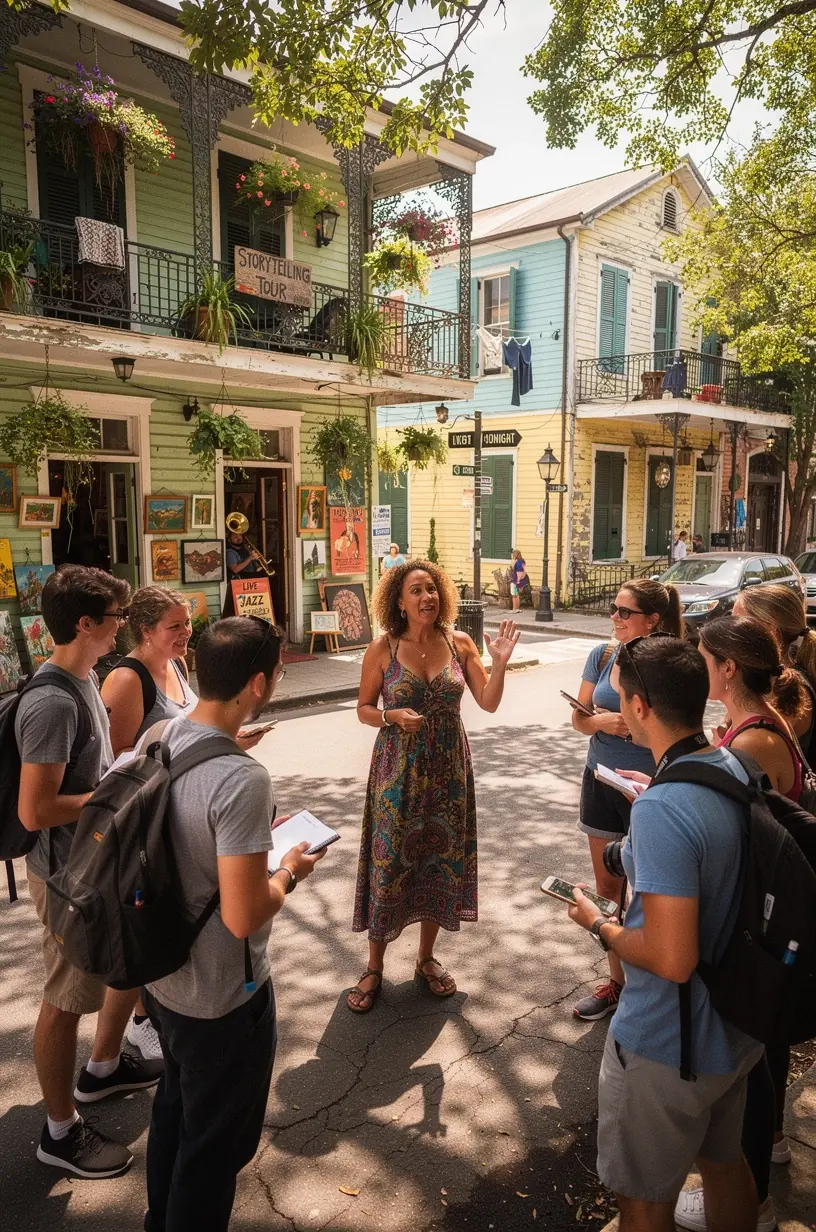
The Art of Historical Interpretation in City Tours
Exploring a city's history through guided tours offers a unique perspective that enhances the travel experience. This article delves into the art of historical interpretation in city tours, emphasizing its significance in creating memorable and educational excursions.
Understanding the Basics of Historical Interpretation
Historical interpretation is the practice of conveying the past in a way that is engaging and relevant to contemporary audiences. As experts in the field suggest, effective historical interpretation often combines storytelling with factual information to create a narrative that resonates with participants. According to research by the National Park Service, visitors are more likely to retain information that is presented in a compelling narrative format.
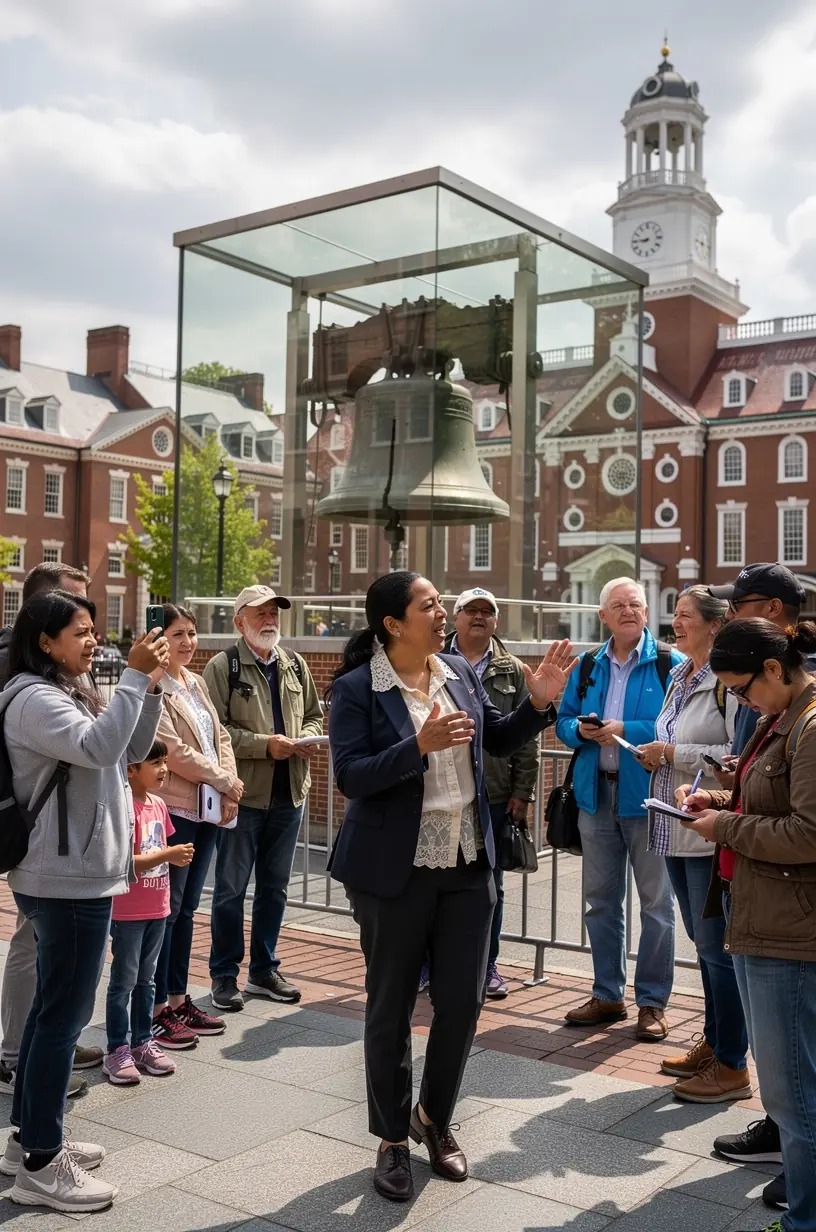
"The best tours are those that weave together stories, facts, and context, allowing visitors to connect emotionally with the history." - National Park Service
Key Elements of Effective Interpretation
Several key elements contribute to successful historical interpretation in city tours:
- Storytelling: Many users report that storytelling captivates their attention and helps them relate to historical figures and events. This approach not only informs but also entertains, making the learning experience more enjoyable.
- Contextualization: Providing context for historical events is crucial. Tours that explain the social, political, and economic factors influencing events can help participants understand their significance. Studies show that contextualization enhances comprehension and retention.
- Engagement: Interactive elements, such as asking questions or encouraging discussions, can significantly enhance the interpretive experience. Many tour guides use these techniques to foster a deeper connection between the audience and the material.
Practical Application in City Tours
For tour agencies looking to implement effective historical interpretation, consider the following approaches:
- Research and Knowledge: Guides should have a solid understanding of the history they are presenting. This typically involves extensive research and preparation, which may take several weeks to ensure accuracy and depth of knowledge.
- Tailored Narratives: Customizing stories based on the audience's interests can improve engagement. For instance, families may appreciate anecdotes that highlight local legends, while history enthusiasts might prefer detailed accounts of significant events.
- Feedback Loop: Collecting feedback from participants after tours can help agencies refine their narratives and improve delivery. This iterative process is essential for long-term success and participant satisfaction.
Acknowledging Limitations
While historical interpretation can greatly enhance the tour experience, it is important to acknowledge its limitations:
- Historical accuracy is always subject to interpretation, and differing viewpoints may arise. It’s essential for guides to present information responsibly, recognizing that history can be complex.
- Effective interpretation typically requires a combination of training and experience. New guides may face a learning curve as they develop their storytelling skills and knowledge base.
Conclusion
In summary, the art of historical interpretation in city tours involves a thoughtful blend of storytelling, contextualization, and audience engagement. By utilizing these principles, tour agencies can provide enriching experiences that leave lasting impressions on participants. Understanding the methodology behind effective interpretation will not only enhance the quality of the tours but also foster a deeper appreciation for the history that shapes our cities.
Learn More