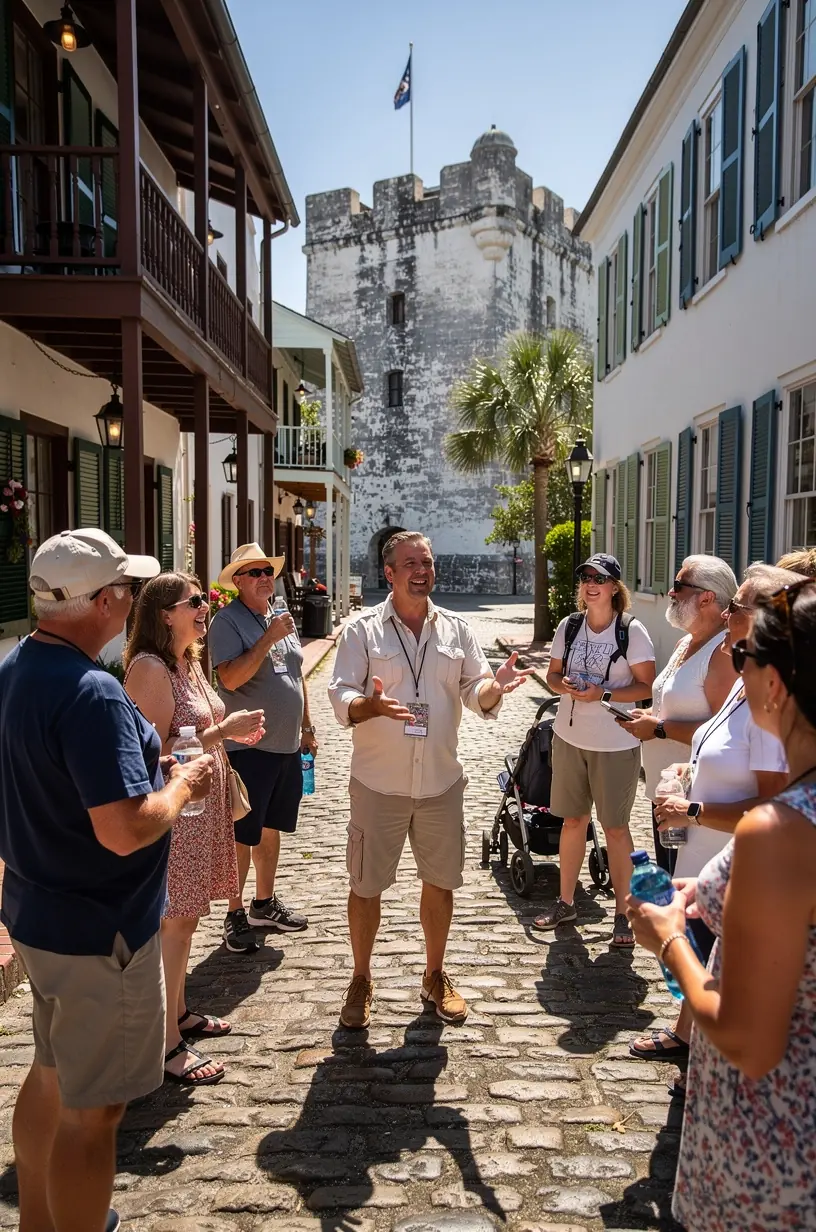
Understanding Cultural Narratives in Urban Tours
Urban tours that focus on cultural narratives offer a unique lens through which to explore cities, revealing the stories that shape their identities. This article delves into the significance of these narratives and how they enrich the touring experience.
What Are Cultural Narratives?
Cultural narratives are the stories that define a community's identity, values, and historical context. According to experts in cultural studies, these narratives can significantly influence how residents and visitors alike perceive a place. They often encompass a variety of elements, including local myths, traditions, and even urban legends.

"Understanding the cultural narrative of a place can lead to a deeper appreciation and connection to the community." - Cultural Studies Expert
The Importance of Storytelling in Urban Tours
Urban tours that incorporate storytelling can transform a simple sightseeing experience into an engaging educational journey. Research indicates that narrative-driven tours can enhance memory retention by 20-30% compared to traditional guided tours. This is primarily because stories create emotional connections, making the information more relatable and memorable.
How Storytelling Enhances the Touring Experience
- Engagement: Participants are more likely to engage with the content when it’s delivered through a story, often leading to a more immersive experience.
- Contextual Understanding: Stories provide context to landmarks and neighborhoods, allowing visitors to appreciate the significance beyond mere facts.
- Connection: Sharing narratives fosters a sense of connection, encouraging dialogue between the guide and participants, as well as among the participants themselves.
Implementing Cultural Narratives in Urban Tours
The process of incorporating cultural narratives into city tours typically involves several steps:
- Research: Tour guides often conduct thorough research to identify key narratives and historical events relevant to the areas they cover.
- Curating Stories: Guides select and weave together stories that resonate with the tour's theme, ensuring they reflect the community's essence.
- Engaging Delivery: Effective delivery is crucial; guides are trained to use voice modulation, pacing, and body language to bring stories to life.
Acknowledging Challenges
While narrative-driven tours can be incredibly effective, they do come with challenges. Crafting and delivering compelling stories takes time and practice, and not all stories may resonate equally with every audience. Tours may require adjustments based on participant interest and background, often involving a learning curve for both guides and participants.
Conclusion
Cultural narratives play a crucial role in shaping the experiences offered by urban tour agencies. By focusing on storytelling, these tours not only educate but also foster deeper connections between visitors and the communities they explore. As the interest in experiential learning grows, embracing cultural narratives can lead to more enriching and memorable urban experiences. Consider the potential benefits of narrative-driven tours in your next city exploration, and uncover the layers of stories that await you.
Learn More