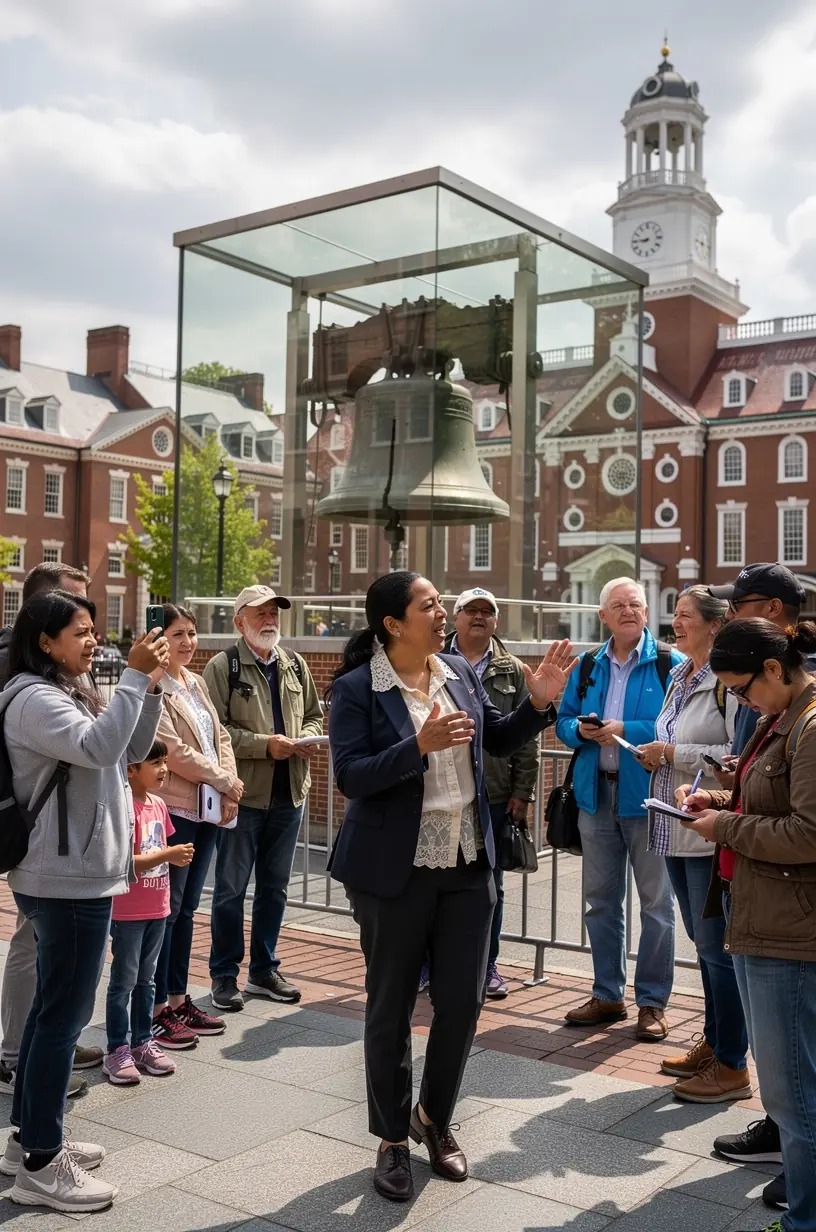
The Benefits of Experience-Based Learning in Tours
Experience-based learning is increasingly becoming a cornerstone of educational tourism. This approach goes beyond traditional sightseeing, offering deeper engagement and understanding of local cultures and histories. In this article, we will explore the benefits of experience-based learning in tours and how this method can enhance the overall travel experience for participants.
Understanding Experience-Based Learning
Experience-based learning, often referred to as experiential learning, involves engaging participants in hands-on activities that promote learning through experience. According to educational research, this method is effective because it allows individuals to actively participate, reflect, and apply knowledge in real-world contexts. Experts in education suggest that this approach can significantly improve retention rates and understanding of complex subjects.

"Studies show that learners who participate in experience-based activities retain information up to 80% more effectively than through traditional methods."
Why Experience-Based Learning Works
The principle behind experience-based learning is rooted in cognitive psychology. When individuals engage with their environment and participate in activities—such as storytelling, cooking, or crafting—they form connections that help solidify their understanding. This method typically involves several stages:
- Active Participation: Participants engage directly with the subject matter, leading to a deeper connection.
- Reflection: Participants reflect on their experiences, helping to process information and make sense of it.
- Application: Learners can apply what they've learned in practical situations, enhancing their skills and knowledge.
The Benefits of Experience-Based Learning in Tours
- Deeper Cultural Understanding: Experience-based tours often include local interactions, allowing travelers to gain insights into the lives and stories of the people they meet.
- Enhanced Engagement: Participants report feeling more engaged and invested in their activities, which can lead to a more fulfilling experience.
- Improved Retention: As mentioned, studies indicate that experience-based learning can improve retention and understanding, making tours more than just a sightseeing venture.
Realistic Expectations and Limitations
While experience-based learning offers many benefits, it’s essential to acknowledge that it requires a certain level of commitment and openness from participants. Typically, these tours may involve a time commitment of several hours to a full day, depending on the activities planned. Additionally, individuals may encounter a learning curve, especially if the activities are new to them.
Experience-based learning works best when participants are willing to engage with the content critically and actively. For instance, those who are open to learning about local customs and practices generally find greater satisfaction and understanding from these tours.
Conclusion
Experience-based learning in tours provides an engaging and enriching approach to travel that can significantly enhance a participant's understanding and enjoyment of a destination. By prioritizing hands-on experiences, travelers can connect more deeply with the culture and history of the places they visit. As tourism continues to evolve, incorporating these methods into local storytelling tours can help create meaningful experiences that resonate long after the trip is over.
Learn More