Guidelines for Creating a Story-Driven Tour
Crafting a narrative-driven tour can elevate the experience for participants, allowing them to connect more deeply with the city and its history. This article explores essential guidelines for creating a compelling story-driven tour that resonates with locals and visitors alike.
Understanding the Basics of Story-Driven Tours
Story-driven tours are designed to engage participants by weaving narratives that highlight the unique aspects of a location. According to research by the International Journal of Tourism Research, narrative-based experiences can enhance visitors' emotional connections, making their stay more memorable. This approach works because storytelling helps individuals relate to places on a more personal level, fostering a sense of belonging.
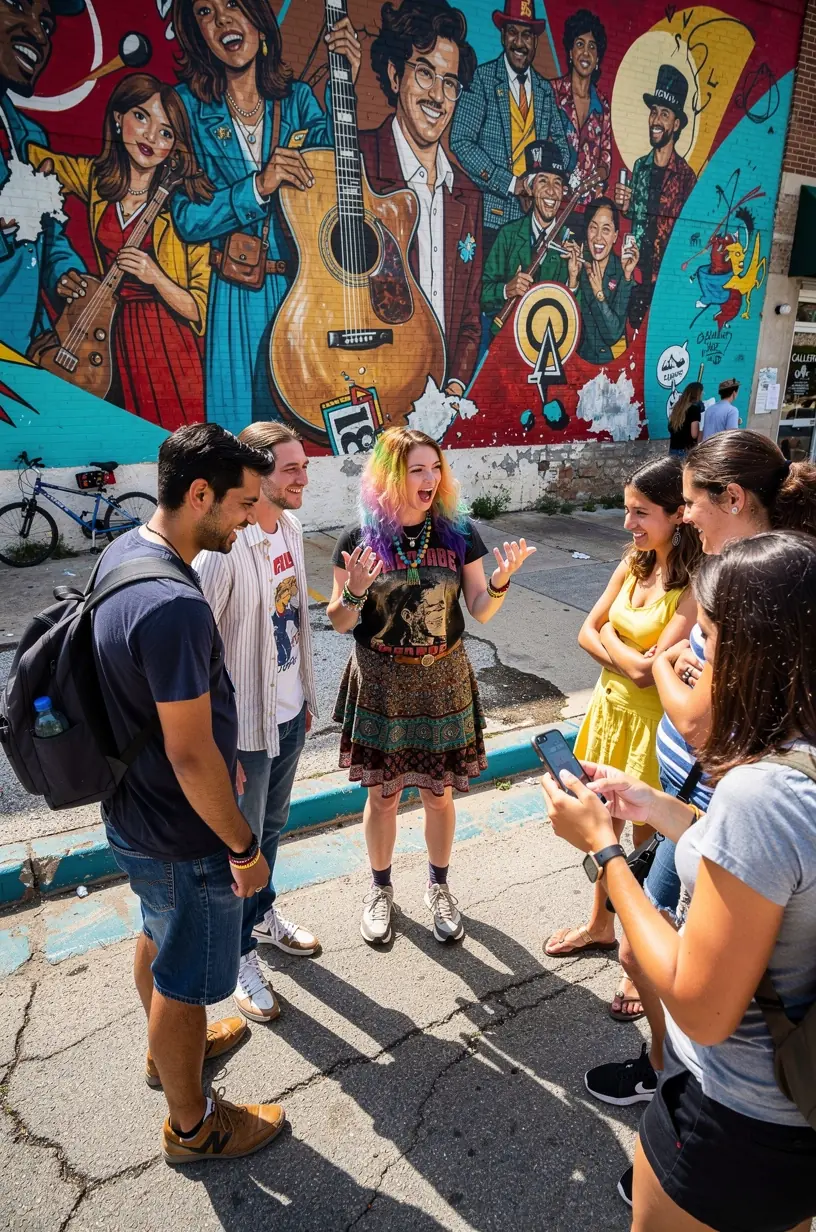
"Studies indicate that effective storytelling can significantly improve visitor satisfaction ratings by up to 30%."
Key Components of a Successful Tour
To create a story-driven tour, consider the following key components:
- Research Your Locale: Understand the history, culture, and unique stories of the area. This provides a solid foundation for your narrative.
- Define Your Theme: Establish a central theme that aligns with the stories you want to share. For example, a tour could focus on local legends, architectural highlights, or cultural milestones.
- Engage the Senses: Incorporate elements that appeal to sight, sound, taste, and smell, helping participants feel immersed in the experience.
Practical Tips for Implementation
Implementing a story-driven tour effectively requires careful planning and attention to detail. Here are some practical tips:
- Develop a Script: Create a loose script that outlines key points and stories. This can help maintain focus while allowing for spontaneous interactions.
- Incorporate Interactive Elements: Engage your audience with questions, anecdotes, or hands-on activities to enhance participation.
- Test and Refine: Conduct trial runs of your tour to gather feedback. Many tour guides report that adjustments based on participant responses can lead to improved experiences.
Acknowledge Realistic Expectations
While crafting a story-driven tour can be rewarding, it typically involves significant time and effort. Developing a comprehensive tour may require 4-6 weeks of researching, scripting, and practicing. Additionally, be aware that not every story will resonate with all audiences; feedback will help refine your approach over time.
The Power of Authenticity
One of the most effective principles behind story-driven tours is authenticity. Participants are often drawn to genuine narratives that reflect true experiences. Industry experts recommend focusing on real stories or personal anecdotes, as this can foster trust and engagement.
Conclusion
Creating a story-driven tour is an effective way to captivate and engage your audience. By understanding your locale, defining a theme, and incorporating sensory elements, you can design an enriching experience. Remember to acknowledge the required time and effort while remaining open to feedback and adjustments. Ultimately, the goal is to provide an educational and memorable experience that resonates with your audience.
Learn More