Crafting Engaging Stories for Tour Experiences
Narrative-driven city experiences can transform ordinary tours into memorable adventures. In this article, we explore how storytelling enhances tour experiences, backed by expert recommendations and industry practices.
Understanding the Power of Storytelling
Storytelling is a fundamental aspect of human communication and has been shown to significantly enhance retention and engagement. According to research from the Journal of Marketing, narratives can improve memory recall by up to 65% compared to factual presentations alone. This principle is crucial for tour agencies aiming to create more engaging experiences for their clients.
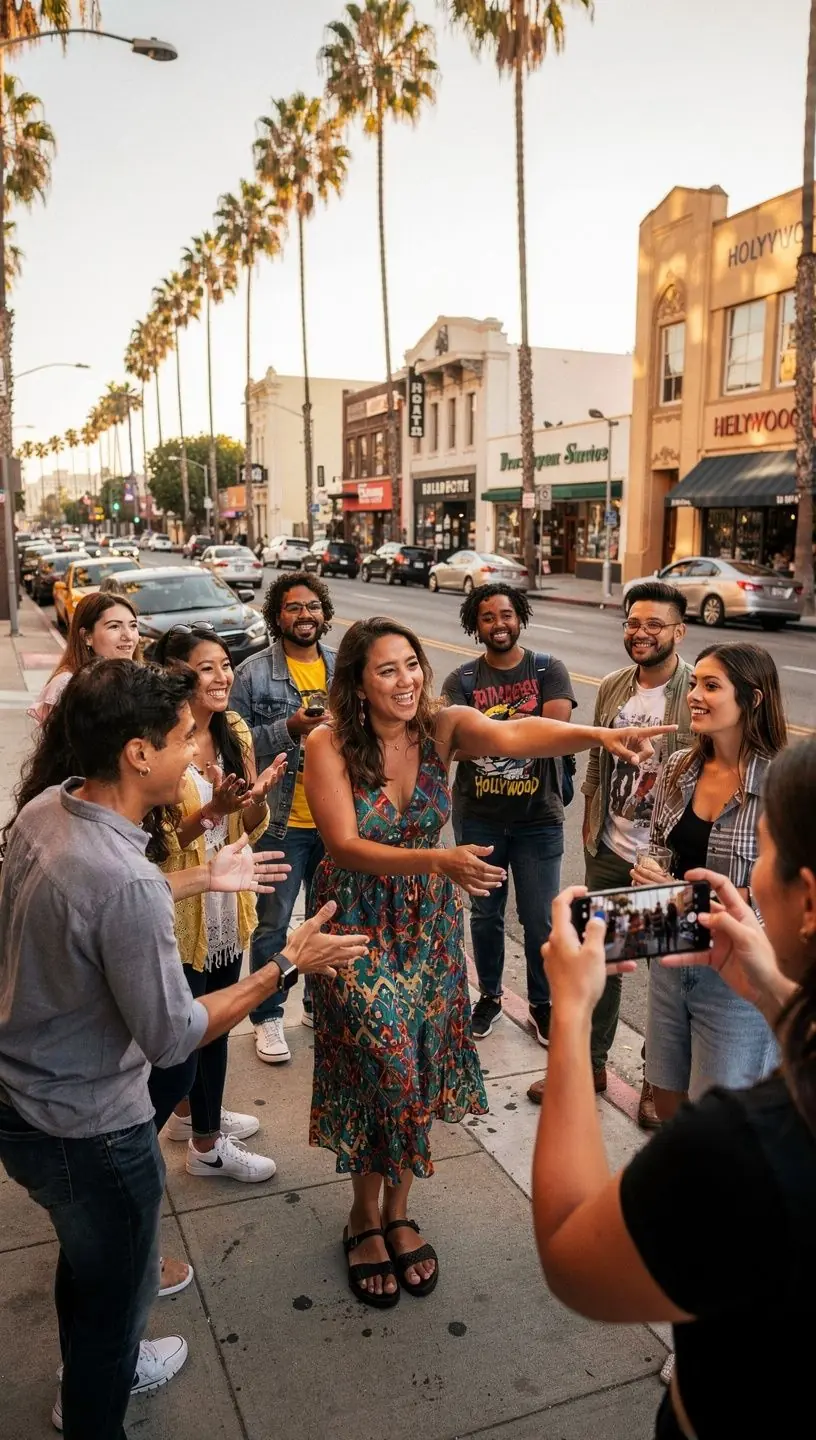
"Storytelling is the most powerful way to put ideas into the world today." - Robert McKee
How Storytelling Enhances Tour Experiences
Incorporating stories into tour experiences can create a more immersive environment for participants. Here’s how:
- Building Emotional Connections: Stories often evoke emotions, allowing tourists to connect more deeply with the places they visit. This emotional engagement can lead to positive reviews and word-of-mouth referrals.
- Providing Context: A well-crafted narrative can offer context that enhances the understanding of a location’s history and culture. This not only enriches the experience but also educates participants about the significance of their surroundings.
- Encouraging Interaction: Engaging stories can prompt questions and discussions among participants, fostering a sense of community and shared experience during the tour.
Practical Steps for Crafting Engaging Stories
For tour agencies, crafting engaging stories involves a thoughtful approach:
- Research Thoroughly: Gather accurate and fascinating facts about the locations included in your tours. Industry experts suggest that a diverse range of sources, including historical documents and local anecdotes, can enhance storytelling.
- Identify Central Themes: Develop a theme that resonates with your audience. This theme can serve as a guiding narrative, helping to keep the story cohesive and engaging.
- Incorporate Local Culture: Stories that reflect local culture and traditions can create a more authentic experience. Experts recommend using local guides who are familiar with community narratives to provide deeper insights.
- Practice Delivery: The way a story is told can significantly impact its effectiveness. Tour guides should practice their delivery to ensure that they convey enthusiasm and engage their audience effectively.
Acknowledging Limitations
While storytelling can enhance tour experiences, it’s important to acknowledge some limitations. Crafting effective narratives typically requires time and effort. Agencies may need to invest several weeks to develop compelling stories and train guides adequately. Furthermore, storytelling may not resonate with all audiences, particularly those who prefer factual information over narrative forms. Understanding your target market is crucial in crafting the right approach.
Conclusion
Incorporating storytelling into tour experiences is a proven method to enhance engagement and foster deeper connections among participants. By focusing on research-based practices and local culture, tour agencies can create memorable narratives that resonate with visitors. While it requires time and dedication, the potential benefits—ranging from increased satisfaction to positive referrals—make it a worthwhile endeavor.
Learn More